

















The Importance of Social Interaction in Later Life: How Our Carers Support This
Staying socially connected throughout our life is just as important as physical health. From meaningful conversations, community involvement to regular contact with others can significantly improve mental well-being. The importance of social interaction in later life helps older adults enjoy a more fulfilling and independent life.
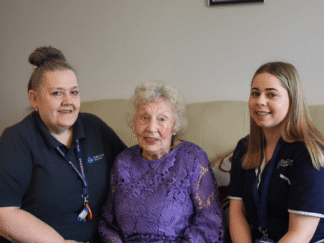
At Dale Care, our carers understand that care is about much more than helping with daily tasks. It’s about building relationships, encouraging confidence, and supporting older people to remain connected to others to ensure they have the highest quality of life. Whether it’s specifically companionship care that you are looking for, or need assistance with other tasks, our care workers can provide that much needed connection.
Why Social interaction in later life matters
For many older adults, especially those that we care for, there are challenges that can make socialising more difficult. These include:
- Reduced mobility
- Loss of loved ones
- Changes to routine
- Hearing or vision impairments
- Long-term health conditions
- Limited access to transport
One or more of these factors can increase the risk of loneliness, which is linked to poor physical and mental health including depression, anxiety, heart disease, stroke and cognitive decline.
Benefits and Importance of social Interaction in later life
Improved mental well-being
Spending time with others can reduce the feelings of loneliness and improve a person’s overall mood. The importance of social interaction in later life cannot be overstated, as regular engagement with family, friends, and the wider community can have a positive impact on both mental and emotional well-being. The NHS recommends building social connections, joining community groups, and maintaining regular contact with others as positive ways to combat loneliness.
Better Cognitive Health
Regular social engagement helps keep the mind stimulated. Whether this is through conversations, hobbies, games or community activities, maintaining social connections can support cognitive function and overall brain health.
Greater Confidence and Independence
Enhance Physical health
Strong social connections have been associated with improved quality of life and better long term health outcomes. With these effects, a person can strengthen their independence and have a greater resilience. The WHO continues to highlight social connection as a key factor in health aging.
Our Carers know the Importance of Social Interaction
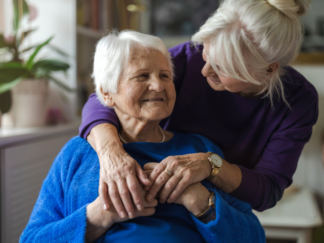
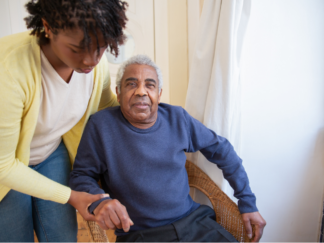
At Dale Care, promoting social well-being is a core part of the care that we provide. Our care staff support social interaction by building meaningful relationships with the people they support, helping to reduce feelings of isolation and create genuine companionship.
Friendly Companionship
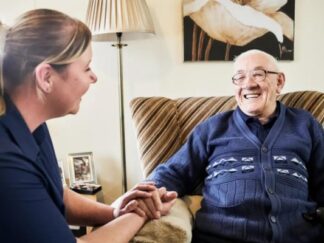
Regular visits provide practical support. Our carers take the time to listen, talk and discuss stories and hobbies, making their service users feel comfortable and at ease. This helps provide a familiar and friendly presence that clients can look forward to.
Supporting Hobbies and Interests
Helping Service Users Stay Connected with loved ones
Encouraging community participation
Community engagement and social participation are important ways of reducing loneliness among older adults. By getting involved with local community groups, coffee mornings, lunch clubs and other events, our service users can access their local community and create meaningful social engagement and continued independence. To find local community groups near you, visit the Government website here.
If you or your loved one would like support getting out of the house to visit your local community groups, please contact our office to discuss how we can support you.

Personalised care that supports well-being
Every person is unique, which is why our care plans are tailored to each service user’s individual needs, preferences and interests. Some people enjoy regular social activities, while others simply value having someone to share a conversation with over a cup of tea.
Our approach focuses on supporting the whole person, not just their practical care needs. We understand the importance of social interaction in maintaining emotional well-being, confidence and independence. By encouraging meaningful conversations, fostering relationships, and supporting social connections, we help service users maintain their well-being, confidence and overall quality of life.
Looking for compassionate home care?
At Dale Care, we believe that everyone deserves companionship, connection and the opportunity to enjoy life to the fullest. Our dedicated care team understand the importance of social interaction especially in later life and are committed to helping older adults remain independent while staying engaged with the people, places and activities that matter most.
Want to learn more about our home care services? Contact our team today!
See Also




Our partners